Navigating the Housing Market: Weighing the Pros and Cons of Renting and Buying
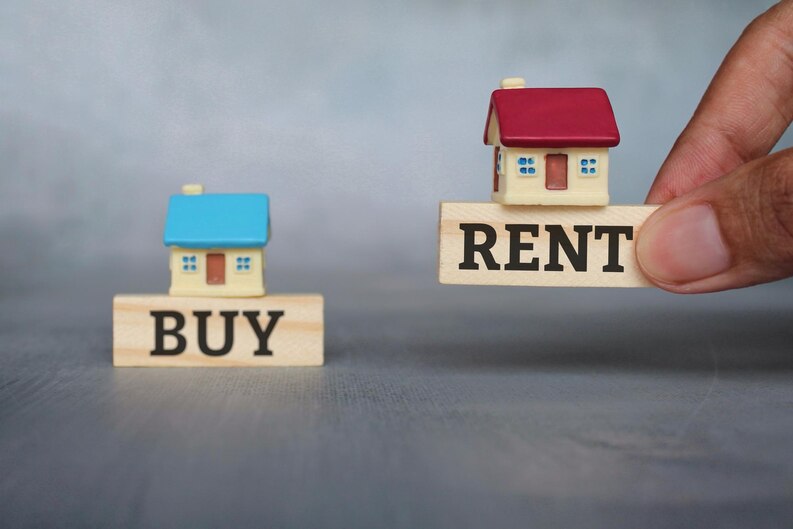
In the ever-evolving landscape of real estate, individuals often find themselves at a crossroads when deciding between renting and buying a home. Both options come with their own set of advantages and disadvantages, and making the right choice requires careful consideration of personal preferences, financial situations, and long-term goals. In this blog post, we will explore the pros and cons of both renting and buying to help you make an informed decision.
Pros of Renting:
Flexibility:
One of the primary advantages of renting is the flexibility it offers. Renting allows individuals to easily move to a new location or upgrade to a larger space without the responsibilities of selling a property.
Financial Savings:
Renting often involves lower upfront costs, as tenants are not burdened with hefty down payments, property taxes, or maintenance expenses. This can free up funds for other investments or experiences.
Maintenance-Free Living:
Renters are typically not responsible for major repairs or maintenance tasks. This can be a significant relief, especially for those who are not inclined or financially prepared to handle unforeseen home repairs.
Predictable Monthly Costs:
Renters enjoy the benefit of predictable monthly expenses, as rent amounts are usually fixed for the lease term. This stability can make budgeting and financial planning more straightforward.
Cons of Renting:
Limited Control and Customization:
Renters have limited control over the property, often unable to make significant changes or renovations without the landlord's approval. This lack of control can be frustrating for those who want to personalize their living space.
No Equity Building:
Unlike homeowners, renters do not build equity in the property. Monthly rent payments contribute to the landlord's investment rather than building the tenant's wealth.
Rent Increases:
Rent is subject to increase at the end of each lease term, potentially leading to higher housing costs over time. This lack of stability can be a drawback for individuals seeking long-term financial predictability.

Pros of Buying:
Equity Building:
Homeownership allows individuals to build equity over time as they pay down their mortgage. This can be a valuable asset and provide financial stability in the long run.
Personalization and Control:
Homeowners have the freedom to customize and renovate their space according to their preferences without seeking permission from a landlord. This level of control allows for a truly personalized living experience.
Stable Housing Costs:
With a fixed-rate mortgage, homeowners benefit from stable housing costs over the life of the loan. This can provide financial security and protect against inflation-related increases in housing expenses.
Cons of Buying:
Financial Commitment:
Buying a home requires a significant financial commitment upfront, including a down payment, closing costs, and ongoing mortgage payments. This can be challenging for individuals with limited financial resources.
Responsibility for Maintenance:
Homeownership comes with the responsibility of maintaining the property. Repairs and maintenance can be costly and time-consuming, requiring a commitment of both time and money.
Market Fluctuations:
Home values can fluctuate based on market conditions, impacting the potential resale value of the property. Economic downturns can lead to a decline in home values, affecting homeowners' financial well-being.
In the debate between renting and buying, there is no one-size-fits-all answer. The decision ultimately depends on individual circumstances, financial goals, and lifestyle preferences. Renting offers flexibility and lower initial costs, while buying provides the opportunity to build equity and enjoy long-term stability. Carefully weighing the pros and cons can help individuals make a well-informed decision that aligns with their unique needs and aspirations in the dynamic world of real estate.
visit Thash.ca for moredetails
Thash Suntharalingam B.Eng